
Quick Summary
Quick Summary: Yes, you can get paid to advertise on your car: companies such as Wrapify and Carvertise pay drivers roughly $100–$500 a month to display vinyl ads, depending on wrap size and mileage. You need a newer car, a clean record, and regular city driving. Never pay an upfront fee or accept a cheque to forward money — those are scams.
Can you really get paid to advertise on your car?
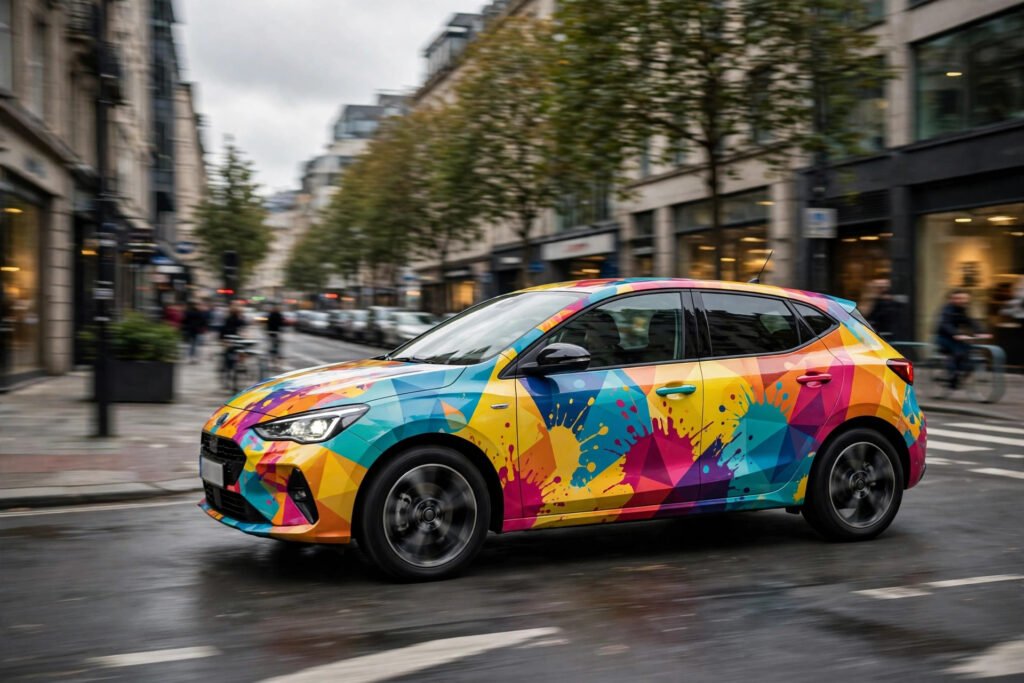
Yes, car wrap advertising is a real business, though smaller and pickier than the easy-money ads suggest. Companies pay to put vinyl ads on private cars because a car driving through a busy city is a moving billboard, and in some places billboards are restricted. The owner drives normal routes, the advertiser gets seen, and the driver gets a monthly payment — enough to cover fuel and a chunk of the car payment for the right driver.
The companies that do this properly are easy to recognise. They have detailed applications, clear qualification standards, published payment rates, and a physical address on their website. They pay for the wrap installation and removal themselves, and they never charge the driver anything. Investopedia names Carvertise (founded in 2012) and Wrapify (which says it has wrapped more than 450,000 vehicles) as established, legitimate firms in this space.
What the honest version does not include is a guarantee: there are far more drivers who want placements than campaigns available, so signing up is not the same as getting picked. Advertisers choose drivers whose routes pass through the areas they want to reach, so city drivers covering plenty of miles have the best chance.
How much can you make advertising on your car?
Realistic earnings for car advertising are a few hundred dollars a month, not the hundreds per week that scam adverts promise. Investopedia puts it plainly: “a few hundred per month is usually what a wrapped-car driver makes.” CreditNinja gives a typical range of $100 to $500 a month, and most drivers land somewhere in the middle of that.
Earnings depend on three things: how much of your car is covered, how many miles you drive, and where you drive. Full wraps pay more than partial wraps, busy urban routes pay more than quiet rural ones, and some companies pay more for peak-hour driving.
| Wrap type | Coverage | Typical monthly pay | Source |
| Panel / lite wrap | Up to ~30% of the car | $180–$280 | Wrapify published rates |
| Partial wrap | Up to ~50% of the car | $195–$280 | Wrapify published rates |
| Full wrap | Up to ~90% of the car | $260–$450 | Wrapify published rates |
| Full wrap (general) | Whole car | $100–$500 | CreditNinja / Investopedia typical range |
| Parked-car placements | Car parked in a set spot | Varies | Carvertise also pays for parking |
Campaigns usually run one to six months, most commonly two to three — this is a temporary side income, not a salary. When a campaign ends, the wrap comes off and you wait for the next match. You also cannot sell your car during a campaign, and removing the wrap early can trigger a termination fee.
Some companies quote higher figures — Carvertise’s site has mentioned $450 to $1,500 a month — but those reflect the longest campaigns in the busiest markets, not what a typical driver sees.
Which car advertising companies are legitimate?
Legitimate companies share the same traits: free to join, clear pay rates, professional installation, and a real application process.
| Company | How it works | Typical pay | Requirements |
| Wrapify | App tracks your driving; campaigns target set zones | $180–$450/month by wrap size | Age 21+, car under 10 years old, fewer than 2 accidents in 3 years |
| Carvertise | Matches your route to brands; also pays for parking | Around $200/month average; longer campaigns pay more | Car 2008 or newer, 30+ miles a day |
| Nickelytics | App-based; full, lite, or rear-window wraps | Up to $500/month; many drivers earn ~$250 | Clean record, 30+ miles a day, limited markets |
| Free Car Media | Smaller wraps; longer campaigns | Up to $400/month | Car in good condition, regular driving |
| StickerRide | Points system based on miles, zones, and time | Varies by points | App must be on while driving |
Wrapify
Wrapify is the largest name here. You download the app, drive your normal routes so it can learn your patterns, pass a background check, then accept campaign offers. During a campaign you drive within about 50 miles of the advertiser’s target area, and pay is weekly by direct deposit.
Carvertise
Carvertise is the biggest nationwide company and the only one here that also pays drivers to park their wrapped car in specific high-visibility spots. You apply on its website, get matched with brands targeting your area, and track mileage through its app.
Nickelytics
Nickelytics operates in fewer markets (it started in Florida), tracks mileage through ride-share apps, and offers a self-install option for some wraps.
Free Car Media
Free Car Media focuses on smaller wraps and longer campaigns, for drivers who do not want their whole car covered. StickerRide, which started in Europe and now operates in the US, pays through a points system based on miles, zones, and time on the road.
One name to be careful about: some lists include companies that charge drivers a shipping fee for the decal or a registration fee to join. A fee to receive advertising material is a red flag. Legitimate wrap firms pay for installation and never charge drivers to take part.
How do you get started with car advertising?
The process is similar across the legitimate companies, and none of it costs money.
- Apply to one or two companies with your car details (make, model, year, condition), daily mileage, and the areas you drive. Applying to more than one firm increases your chances, and there is no exclusivity until you sign a campaign contract.
- Share your driving data. Most companies use an app to track your routes before offering a campaign — Wrapify asks for at least 50 miles of everyday driving. Advertisers pay for routes, not for cars sitting in a driveway.
- Pass the checks. Expect a background check and a look at your driving record. Most companies want a clean record and a car in good condition. Your car usually needs to be a 2008 model or newer, and some firms will not take cars more than 10 years old.
- Accept a campaign and get wrapped. When a brand wants your routes, you get an offer stating the pay, wrap size, and campaign length. If you accept, the company arranges free professional installation. You do not choose the advertiser, though most firms let you decline a brand you object to.
- Drive normally and get paid. Keep the app running while you drive so mileage is tracked, and payments arrive weekly or monthly by direct deposit. When the campaign ends, the company removes the wrap free.
Who actually gets picked for car wrap campaigns?
Advertisers choose drivers the way they choose billboard locations: by audience. The drivers who get picked share a few traits worth knowing before you apply.
Mileage matters most.
Most companies want at least 30 miles a day, and some look for 800 miles or more a month. Delivery and ride-share drivers often do well here because their mileage is naturally high.
City driving beats rural driving.
An ad seen by thousands in a city centre is worth more than one seen by a handful of people on country roads, so drivers in large metro areas, near universities, and around busy commercial districts get matched first.
Your car must look the part.
Advertisers want their brand on a newer car in good condition with undamaged paint. Most firms set a minimum model year (often 2008 or 2010) and a maximum age of around 10 years; a car with dents, rust, or faded paint is unlikely to be chosen.
A clean record is non-negotiable.
Companies check your driving history because their brand is on your car. Recent accidents or violations can disqualify you — Wrapify, for example, wants fewer than two accidents in the past three years.
How do you spot a car wrap scam?
Car wrap scams are common and follow a pattern that is easy to recognise once you know it. The classic version, described by Investopedia: someone offers hundreds of dollars a week, sends a cheque for more than the agreed amount, and asks you to deposit it and forward the extra to a “wrap installer”. The cheque bounces, the money you forwarded is gone, and there was never a campaign.
Watch for these red flags:
- Upfront fees of any kind. Registration fees, shipping fees for the decal, “processing” fees — legitimate companies charge drivers nothing, ever. A $49 registration fee is a fee, however it is dressed up.
- Payment before you drive. Real companies pay after the wrap is on and you are driving; anyone sending money before you have done anything is setting up the fake-cheque scam.
- Earnings of hundreds per week. Legitimate pay is a few hundred per month. A promise of $600 a week for driving your normal routes is not a generous offer — it is bait.
- Contact through a form or a random message. Scammers use simple web forms and generic email addresses; legitimate firms have real websites with a physical address, phone number, and detailed application.
- Vague company details. If you cannot find the address, registration, or genuine reviews, walk away — check the Better Business Bureau listing and search the company name with the word “scam” first.
- Pressure to act fast. “Only a few spots left” and “reply today” are pressure tactics. Real campaigns do not need them.
If you have received a suspicious cheque, do not deposit it — report it to your bank and to the Federal Trade Commission, or to Action Fraud in the UK.
Does wrapping your car damage it, and what about insurance?
A professionally installed vinyl wrap does not damage paintwork — it protects the paint underneath from sun and minor scratches. Problems come from cheap materials, poor installation, or leaving a wrap on far past the campaign end, which is why legitimate companies handle fitting and removal themselves. Never let an unknown “specialist” work on your car.
Insurance is worth a phone call before you sign up. A wrap usually does not change your cover, but your insurer may want to know about it, and the wrap itself may not be covered if your car is damaged — some insurers treat a wrapped car as modified. Keep the campaign contract and photos of the wrap.
Tax is the other detail people forget: payments for car advertising are income and generally taxable in the US, so keep a record of what you are paid. In the UK the same applies, and the trading allowance may cover small amounts. If you are unsure, a short conversation with an accountant is cheaper than a tax surprise.
Can UK drivers get paid to advertise on their car?
Car advertising exists in the UK too, though the market is smaller and the best-known US companies do not operate here. The same rules apply: legitimate agencies never charge drivers, pay monthly, and arrange professional wrapping. Check any agency’s company registration and reviews, and apply the same scam checks — upfront fees, weekly pay promises, and cheques to forward are red flags anywhere.
Frequently asked questions
Yes, with the right companies — Wrapify, Carvertise, Nickelytics, and Free Car Media are established firms that pay drivers monthly. Only work with companies that charge no fees, publish clear pay rates, and have a verifiable address.
Typically $100 to $500 a month, depending on wrap size, mileage, and location. Wrapify publishes $180–$280 for lite, $195–$280 for partial, and $260–$450 for a full wrap. Claims of hundreds per week are a scam warning sign.
Most companies want a car from 2008 or newer, in good condition with undamaged paint, and some will not accept cars over 10 years old. A clean driving record and regular city driving matter just as much.
No, not when a professional installs and removes it — vinyl wraps protect the paint underneath. Damage comes from cheap materials, DIY fitting, or wraps left on far past the campaign end.
Most run one to six months, typically two to three. When a campaign ends, the company removes the wrap free. You cannot sell your car during a campaign, and removing the wrap early may trigger a termination fee.
By Asmara Khan — SEO content writer & GEO specialist.