Algorithmic Trading vs Manual Trading: The Real Truth for Beginners
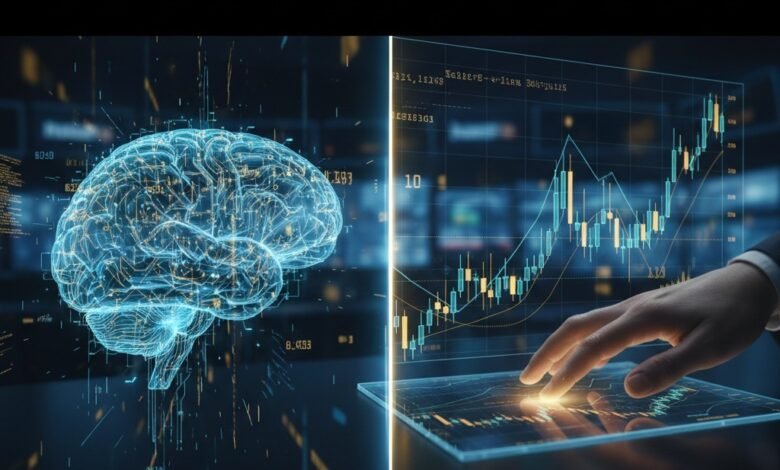
Starting your trading journey can be confusing, especially when deciding between Algorithmic Trading and Manual Trading. Both methods have unique advantages and challenges, and understanding the differences is crucial for beginners. Algorithmic Trading uses software, pre-defined rules, and automated strategies to execute trades quickly and consistently. On the other hand, Manual Trading relies on human judgment, intuition, and hands-on market analysis. This guide breaks down the pros and cons of both approaches, helping you decide which trading method suits your goals, resources, and skill level. By the end, you’ll have a clear understanding of Algorithmic Trading vs Manual Trading and know which path is better for beginner traders.
| Feature | Algorithmic Trading | Manual Trading |
| Execution Speed | Instant (Micro-seconds) | Slow (Human reaction) |
| Emotion Control | 100% Logic-based | Hard to control fear/greed |
| Flexibility | Rigid (Follows rules) | High (Can adapt to news) |
| Time Needed | Low (Set & Monitor) | High (Screen time required) |
| Learning Curve | Technical/Coding basics | Market Psychology/Patterns |
The Core Difference in Algorithmic Trading vs Manual Trading
Think of it like driving. Manual trading is like driving a stick-shift car. You control the clutch, the gear, every turn. Algorithmic trading is like putting your car on cruise control on a clear highway. Both get you there, but the experience is totally different.
What Is Algorithmic Trading in Algorithmic Trading vs Manual Trading?
Forget the complex definitions. In plain talk, algorithmic trading means you teach a computer your trading rules. You say, “Hey computer, if XYZ stock hits this price with this volume, please buy it. Then, sell it when it makes a 5% profit or loses 2%.” You write these rules into code (or use a simple tool), and the software executes them automatically, 24/7. It’s your personal trading robot that never sleeps, eats, or gets scared. It’s your personal trading robot that never sleeps, eats, or gets scared. However, before you set one up, make sure you understand the essentials of algorithmic trading for beginners in 2026 to avoid common setup mistakes.
What Is Manual Trading All About?
Manual trading is the classic way. It’s just you, your trading platform, and the charts. You analyze the price action, read the news, maybe look at some indicators like RSI or Moving Averages. Then, you make a decision and click the “buy” or “sell” button yourself. Every single trade is a personal choice. It’s hands-on, it can be exciting, and it teaches you the markets from the ground up.
How Algo Trading Software Actually Works
“Many beginners start with platforms like (TradingView) or explore beginner-friendly software reviews on (NerdWallet).
You don’t need to be a Wall Street programmer to use this stuff anymore. Let’s break down how these tools work in practice.
The Step-by-Step Process
It’s simpler than you think. First, you define your strategy in clear rules. Next, you use software to “backtest” it—this means running it against old market data to see if it would have made money. If the backtest looks good, you set it live with real money. The platform then connects to your broker’s API. It constantly watches live prices, and the moment your conditions are met, it sends the trade order instantly, faster than any human ever could.
Tools Real Beginners
Why Algorithmic Trading Pulls Beginners In
The pros are attractive, especially if you struggle with discipline.
Speed You Just Can’t Match
An algorithm can scan hundreds of charts and place a trade in under a second. For certain strategies like scalping, this is not just an advantage; it’s the entire game. You can’t compete with a machine on speed.
It Kills Your Emotions
This is the biggest draw. The algorithm feels no fear when the market drops and no greed when it’s skyrocketing. It follows the rules, period. For a beginner who panics and sells early or gets overconfident, this robotic discipline is a lifesaver.Learn From the Past, Risk-Free
Learn From the Past, Risk-Free
The backtesting feature is like a trading time machine. You can test your brilliant idea on 10 years of data in minutes. Did it work in 2008? What about 2020? This lets you refine your strategy without losing a single dollar, turning guesswork into a more analytical process.
The Hidden Pitfalls of Algorithmic Trading
It’s not all easy money. Here are the headaches nobody talks about enough. The steep learning cliff can be intimidating if you aren’t a programmer. But don’t let that stop you you can use free algorithmic trading platforms with no coding to build your first bot visually, without touching a single line of Python.
The Steep Learning Cliff
To build a truly robust algorithm, you need more than trading sense. You’ll be dealing with code (like Python), data feeds, and logic errors. A small typo in your code can cost you real money. It shifts your focus from trading to software development.
The Curve-Fitting Trap
This is the #1 killer of beginner algo strategies. You tweak and optimize your algorithm so perfectly to fit historical data that it becomes useless in the real, messy future. It performed amazingly on the past, but fails miserably going forward. It’s like tailoring a suit so tight it only fits the mannequin.
Costs Add Up Quickly
While many platforms have free tiers, serious algo trading costs money. You might need premium data feeds, a VPS (virtual private server) to run your bot 24/7, or subscriptions to more advanced software. Those “$10 a month” fees eat into your profits quickly when you’re starting small.
The Enduring Strengths of Manual Trading
Despite the tech wave, manual trading is alive and well for good reasons.Flexibility is Your Superpower
Flexibility is Your Superpower
A news headline breaks. The Fed makes an unexpected announcement. An algorithm might freak out or ignore it. A manual trader can instantly digest the news, gauge the market’s emotional reaction, and adapt. You can change your mind in a second, which is both a power and a curse.
Developing a Trader’s Instinct
Over time, you start to “feel” the market. You recognize patterns in price action that are hard to code. You develop intuition—a sense of when a move is losing steam or when panic is setting in. This human edge, built from screen time and experience, is something machines can’t replicate.
Why Manual Trading Can Be a Beginner’s Nightmare
The cons are classic, and they’re why many traders eventually look for automation.
Your Emotions Are the Enemy
Let’s be honest. Watching real money on the line does things to your brain. Fear makes you cut winners short. Greed makes you let losers run. Overtrading, revenge trading—these are emotional diseases that cripple most new manual traders.It Demands Your Life
It Demands Your Life
Successful manual trading, especially day trading, is a job. You’re glued to the screen for hours. You can’t just take a day off if the market is moving. It’s exhausting, stressful, and can easily lead to burnout.
The “Hybrid” Trend
In 2026, the debate isn’t just about ‘Man vs. Machine’ anymore. The most successful USA retail traders are now using a Hybrid Approach. They use algorithms to scan thousands of stocks for setups but execute the trade manually to ensure the ‘context’ is right. This ‘Cyborg’ style of trading is how you survive in today’s volatile markets.
Your Choice: Finding Your Trading Personality
What’s Your Natural Style?
So, which one is your match? Ask yourself these questions.
Do you love puzzles, code, and systems? You might lean algorithmic. Are you more intuitive, patient, and a big-picture thinker? Manual might suit you better.
What Skills Do You Already Have?
Be brutally honest. Can you handle basic programming, or does the thought make you sweat? Are you a disciplined person in other areas of life, or do you act on impulse?
How Much Can You Invest (Time & Money)?
Algo trading needs more money upfront for tools and data. Manual trading needs a huge investment of time for learning and screen-watching. What do you have more of right now?The Smartest Move: Try Both on Demo
The Smartest Move: Try Both on Demo
Don’t guess! Open a free demo account with a broker like IC Markets or Oanda. Spend two weeks placing manual trades. Then, take a simple strategy (like a moving average crossover) and try to automate it on TradingView. This hands-on experiment will tell you more than any article ever could.
Final Word from Experience
There’s no “better” method, only a better method for you. Many successful traders I know use a mix. They might have an algorithm scanning for opportunities, but they make the final manual decision to enter. Start slow. Paper trade. The goal in the beginning isn’t to get rich; it’s to learn without getting wrecked. Choose the method that lets you sleep at night and fits the life you want to live. The markets aren’t going anywhere.
FAQ Algorithmic Trading vs Manual Trading
H3: How to start with algorithmic trading
Start by learning a basic trading strategy and testing it on a demo account. Use beginner-friendly platforms like Trading View or MT4/MT5 to automate simple rules. Learn practical strategies in ouessentials of algorithmic trading for beginners in 2026 article.”
H3: What are algo traders
Algo traders use software to execute trades automatically based on predefined rules. They rely on speed, discipline, and data instead of manual decisions.
H3: How to do automated trading
Choose a platform, define your trading rules, backtest them on historical data, and connect to your broker. The software will then place trades automatically.
H3: Algo investing
Algo investing means using algorithms to manage investment portfolios. It reduces emotions and allows faster, data-driven decision-making.
H3: Grow documentation
Keep a detailed log of your strategies, trades, and results. Documentation helps refine algorithms and improves learning over time.