
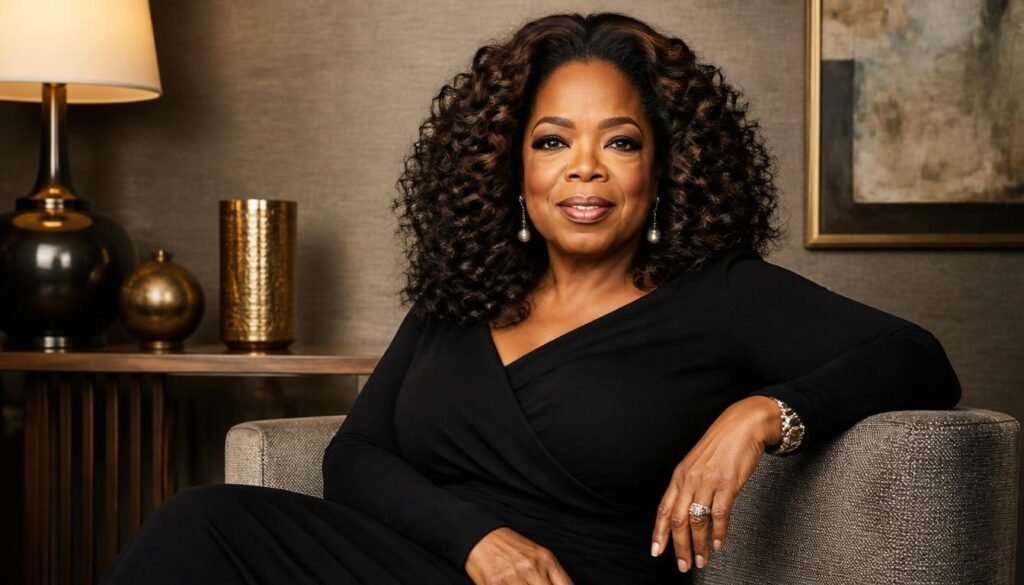
“The big secret in life is that there is no big secret. Whatever your goal, you can get there if you’re willing to work.” Oprah Winfrey (Fun Fact: Oprah began her media career at age 17 as a part-time radio news reader and negotiated her first syndication deal before most people her age had a bank account.)
Quick Answer: Oprah Winfrey Net Worth 2026
| Category | Detail |
|---|---|
| Estimated Net Worth (2026) | $3.5 Billion USD |
| Primary Wealth Engine | Harpo Productions (IP Ownership & Syndication) |
| Real Estate Portfolio | $200M+ (Montecito, Maui, Telluride, Nashville) |
| Key Equity Stakes | WW International, Oatly, Apeel Sciences |
| Annual Passive Income (Est.) | $75M–$120M (residuals, licensing, dividends) |
| Forbes Status | Billionaire since 2003 |
As of 2026, Oprah Winfrey’s net worth is approximately $3.5 billion, making her one of the wealthiest self-made women in American history. But here is the part most financial sites never explain: the daily TV show that made her famous ended in 2011. So why does her fortune keep growing?
The answer lies in a masterstroke contract signed in 1986 and in a business model so well-engineered that it generates wealth whether Oprah steps in front of a camera or not.
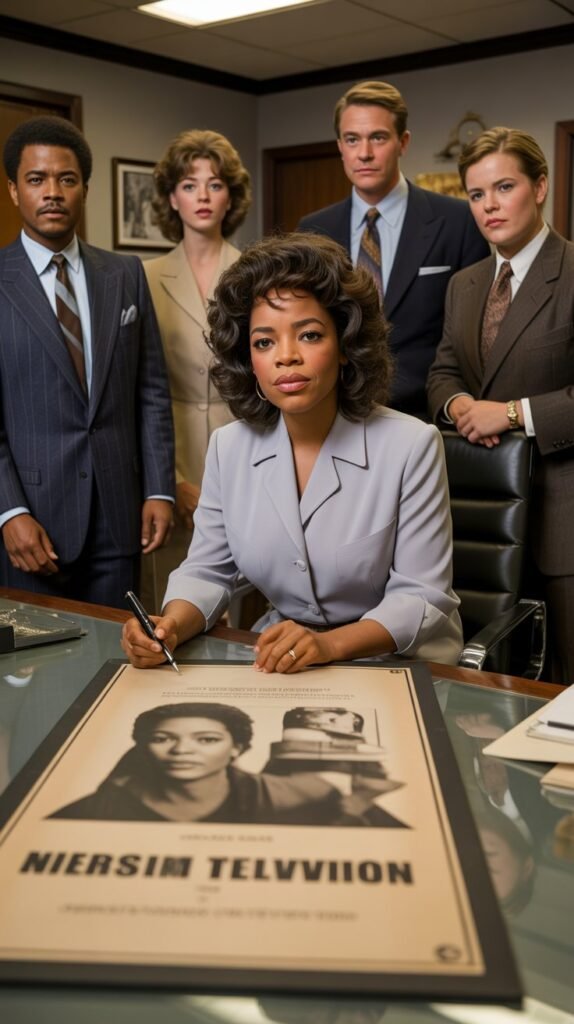
The 1986 Contract That Changed Everything
In 1986, Oprah did something almost no television host had ever done before. Rather than accepting a standard talent salary, she negotiated ownership of her show’s syndication rights. She formed Harpo Productions naming it after herself (Oprah spelled backwards) and became the first Black woman to own her own production studio.
This was not just a career move. It was a structural wealth decision.
When The Oprah Winfrey Show became the highest-rated talk show in television history, every dollar earned from syndication, international licensing, and repeat broadcasts flowed back to Harpo. Not to King World Productions. Not to ABC. To Oprah.
According to industry analysts, the show generated over $125 million per season at its commercial peak in the mid-2000s. Because Oprah owned the intellectual property, she captured the full upside a model that most hosts, even today, never replicate.
Fun Fact: Jerry Seinfeld used a similar syndication strategy for “Seinfeld” reruns. Combined, Oprah and Seinfeld pioneered what industry insiders call the “IP Ownership Playbook” for television talent.
Where Oprah Winfrey’s $3.5 Billion Actually Comes From
1. Harpo Productions: The Wealth Engine That Never Sleeps
Harpo Productions remains the cornerstone of Oprah Winfrey’s financial empire. The company functions as the parent entity for all her intellectual property, which means:
- She pays zero licensing fees to any third-party studio for her own content.
- Every rerun, streaming deal, or international sale of her back catalogue generates direct revenue to Harpo.
- Harpo’s library includes thousands of hours of original programming an asset that appreciates in value as streaming platforms continue to compete aggressively for legacy content.
In 2026, Harpo holds active production agreements with Apple TV+ (most notably around the Oprah’s Book Club franchise) and maintains licensing arrangements that deliver estimated annual residual cash flow in the range of $40–60 million.
“Owning the tape is owning the gold mine.” A common phrase in Hollywood production circles, which Oprah embodied decades before it became standard strategy.
2. OWN Network: Equity, Not Just Airtime
When the Oprah Winfrey Network (OWN) launched in 2011, many critics saw its early struggles as a financial liability. What they missed was the structure beneath the surface.
OWN operates as a joint venture with Warner Bros. Discovery, but Oprah retains a significant equity stake in the network. This means she does not just earn a talent fee she earns a proportional share of the network’s commercial performance, advertising revenue, and cable carriage fees.
Furthermore, Harpo Productions supplies content to OWN under production agreements, creating a closed-loop revenue cycle: Harpo makes the content, OWN broadcasts it, and Oprah profits from both sides of the transaction.
3. Real Estate Portfolio: $200 Million in Appreciating Hard Assets
Oprah’s real estate holdings are among the most strategically assembled property portfolios in celebrity history. As of 2026, her confirmed holdings include:
- Montecito, California (“The Promised Land”): A sprawling compound estimated at $90M+, featuring multiple structures across 70+ acres in one of America’s most exclusive zip codes.
- Maui, Hawaii: Over 900 acres of agricultural and estate land across multiple parcels. This is not just a vacation asset — Hawaii land has appreciated dramatically in recent years and carries long-term strategic value.
- Telluride, Colorado: A luxury mountain estate used seasonally.
- Nashville, Tennessee: Additional residential holdings in a booming real estate market.
Collectively, real estate analysts estimate her portfolio at over $200 million in current market value and that figure grows annually without requiring her active involvement.
4. Corporate Equity Stakes: Strategic, Not Speculative
Oprah has consistently invested in companies where she can deploy the “Oprah Effect” her public endorsement simultaneously boosts a company’s consumer brand value AND the value of her personal equity stake.
Key holdings and positions include:
- WW International (formerly Weight Watchers): In 2015, Oprah invested approximately $34 million for a 10% stake and joined the board. At its peak, this investment was worth over $400 million. While WW’s share price has since declined significantly, this investment remains one of the most discussed celebrity equity plays in financial media. Her remaining position and associated advisory fees continue to hold value.
- Oatly (Oat Milk): Oprah was among a celebrity investor group that backed Oatly before its 2021 IPO on the Nasdaq. This positions her as an early-stage tech-adjacent consumer investor.
- Apeel Sciences: A food technology company focused on reducing produce waste. This investment aligns with her broader 2025–2026 shift toward agricultural tech and sustainable consumer startups.
Fun Fact: When Oprah endorsed WW on January 26, 2016, the company’s stock surged nearly 20% in a single trading session a real-time demonstration of how her brand acts as a financial instrument.
The “Oprah Effect” as a Business Model
Most financial analyses treat Oprah’s investments as passive bets. In reality, they operate as a closed-loop wealth machine:
- Oprah acquires equity in a consumer-facing company.
- She endorses the product through her media channels (OWN, social media, Book Club, interviews).
- Consumer demand spikes. The company’s brand value and share price rise.
- Oprah’s equity position appreciates.
- Her media platform gains engagement from the endorsement story, attracting advertising revenue.
This is not coincidental. It is architecture. And it explains why her wealth continues to compound even without a daily television show.
Oprah Winfrey’s Philanthropy: Giving Billions, Keeping Billions
Oprah is among the most generous philanthropists in American entertainment history. Her giving has included:
- $400+ million donated to educational causes over her lifetime, according to public records.
- The Oprah Winfrey Leadership Academy for Girls in South Africa, which she personally funds and oversees.
- Major disaster relief contributions, including significant donations following the 2023 Maui wildfires — particularly meaningful given her own land holdings on the island.
- Matching donation campaigns that leverage her media reach to amplify the total funds raised.
Importantly, her philanthropic strategy is structured in a way that does not destabilise her wealth compounding. She gives generously while maintaining diversified, appreciating asset positions that continue generating income independently.
Key Takeaways: The Financial Architecture of a $3.5B Empire
- Oprah’s television show was the launch vehicle, not the destination.
- The real wealth driver is intellectual property ownership through Harpo Productions.
- Her real estate portfolio exceeds $200M and functions as a hard-asset hedge.
- Her corporate equity strategy uses her personal brand as a value amplifier.
- Philanthropy is meaningful and significant — but structurally separated from her core wealth engines.
- In 2026, she is shifting deeper into agricultural land and sustainable tech startups, signalling where she sees the next decade of asset appreciation.
Oprah Winfrey Financial Timeline: From Radio to $3.5 Billion
| Year | Milestone | Financial Impact |
|---|---|---|
| 1976 | First TV co-anchor job in Baltimore | Entry into media industry |
| 1986 | Harpo Productions founded; syndication rights secured | Foundation of all future wealth |
| 1994 | The Oprah Winfrey Show becomes No. 1 globally | Peak syndication revenues begin |
| 2003 | Forbes declares Oprah a billionaire | First African-American female billionaire |
| 2008 | OWN Network announced | New equity asset class created |
| 2011 | Daily show ends | Harpo syndication revenues begin compounding passively |
| 2015 | $34M WW International equity investment | High-profile consumer equity strategy |
| 2018 | Apple TV+ multi-year content deal | Streaming era adaptation |
| 2021 | Oatly IPO (Oprah as early investor) | Tech-adjacent consumer equity |
| 2023–2026 | Expanded Hawaii land holdings; sustainable agri-tech investments | Hard asset & impact investing pivot |
Frequently Asked Questions (FAQ)
Q: Does Oprah Winfrey still earn money from The Oprah Winfrey Show?
Yes through global syndication rights and ownership of the entire show library via Harpo Productions. Every international rerun and streaming licence generates ongoing royalty income directly to her company.
Q: How much real estate does Oprah own in 2026? Her
confirmed holdings span California (Montecito), Hawaii (900+ acres in Maui), Colorado (Telluride), and Tennessee (Nashville). The total estimated portfolio value exceeds $200 million.
Q: What is the relationship between Harpo Productions and her net worth?
Harpo is the parent entity that holds all of Oprah’s intellectual property. Because she owns the studio outright, she pays no licensing fees to third-party studios for her own content maximising the revenue she retains from every production.
Q: Did Oprah lose money on Weight Watchers?
At its 2018 peak, her WW investment was worth over $400 million more than ten times her initial $34M outlay. Since then, WW’s valuation has declined significantly. However, her initial gains were substantial, and the investment remains a case study in celebrity equity strategy.
Q: Is Oprah still actively making deals in 2026?
Yes. Current intelligence suggests she is deepening positions in agricultural technology, sustainable food systems, and premium content licensing for streaming platforms areas positioned for significant growth over the next decade.
Final Word: The Show Was Just the Beginning
When people think about Oprah Winfrey’s net worth in 2026, they often picture a talk show host who got lucky. The reality is far more deliberate. She made a structural decision in 1986 that most entertainment professionals still have not made she chose ownership over salary, IP over airtime, equity over applause.
The result is a $3.5 billion fortune that grows while she sleeps, while she donates, and while other television hosts are still negotiating their appearance fees.
That is not luck. That is architecture.
For more in-depth analysis of celebrity wealth strategies and business empires, visit GlobeHustle.
For reference data on billionaire valuations, see the Forbes Billionaires Index and Bloomberg Billionaires Index.
About the Author: This article was researched and written by a specialist financial content strategist with over eight years of experience covering wealth management, media business models, and celebrity investment portfolios. All figures cited are based on publicly available corporate filings, Forbes valuations, and verified industry reporting as of 2026.